
News
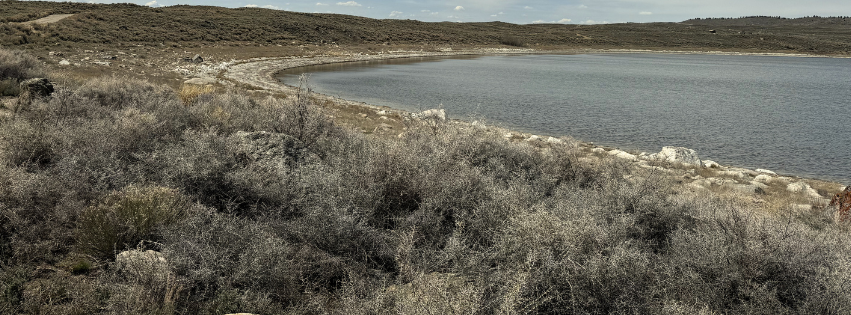
2023 - 2025 Results of Tick-Borne Disease Surveillance Program
Mikenna Smith, TCWP Entomologist, and Kelsey Mitchell, TCWP Biologist, recently presented the results of the first three years of our Tick Surveillance Program in Jackson to the Integrated Pest Management Working Group.
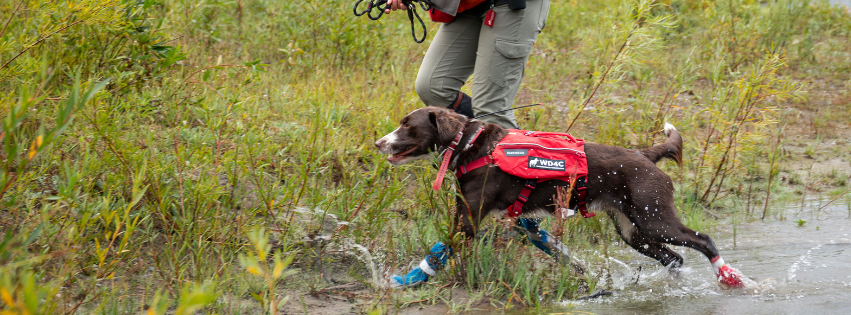
A Nose for Noxious Weeds: Working Dogs for Conservation
We here at TCWP might have a great nose for invasive weeds, but we’ll never top the tenacious pups at Working Dogs for Conservation. This Montana-based nonprofit trains dogs to help protect wildlife and wild places by detecting things humans might miss, including invasive plants, wildlife diseases, and evidence of wildlife crime.
.png)
Your Property Taxes at Work
Teton County Weed & Pest Control District (TCWP) is a statutorily mandated special district funded through a dedicated property tax mill levy. Governed by a board appointed by the county commission, TCWP operates independently of the county general fund to carry out invasive species management and vector-borne disease prevention. TCWP’s mission is to protect and restore ecosystem health while safeguarding public well-being. In 2025, the district employed 9 full-time staff and 16 seasonal employees, whose efforts are essential to field operations, monitoring, and community programs. Together, this team works to support a healthy environment and empowered community across Teton County.
.png)
Investigating Colorado Tick Fever Virus (CTFV) transovarial transmission in Dermacentor andersoni in Wyoming
Ever wondered about Colorado Tick Fever Virus pathogen transmission pathways and prevalence in our community? No Problem. We’ve got you covered. Check out the results from our team’s recent outing and research presentation, “Investigating Colorado Tick Fever Virus (CTFV) transovarial transmission (TOT) in Dermacentor andersoni in Wyoming!
%20(2).png)
Detecting Tick-Borne Viruses in Wyoming: Better Testing, Better Protection
When ticks test negative for pathogens, how can we be sure the results aren’t compromised by degraded sample quality and technical errors? That question drove a recent project by our team to improve the diagnostic accuracy for tick-borne viruses—and it’s already making a difference for Teton County public health! Thank you to Kelsey Mitchell, Teton County Weed and Pest Biologist, and Mikenna Smith, Teton County Weed and Pest Entomologist, for conducting this research and in preparing this presentation that drives solutions for our community!

2025 Tick Blitz Results and Expanding Wyoming's First Tick Surveillance Program
The 2025 Tick Blitz, held in Teton County on May 16–17, yielded impressive results! Our team was thrilled to work alongside dedicated community citizen scientists who volunteered their time to help advance our understanding of tick phenology and abundance locally. Check out the results from our two-day sprint to collect as many ticks as possible within 48 hours!
%20-%20Cover.png)
Let’s Celebrate Native Plant Month (April 2025)
All year long, we give you tips and tricks to fight the weeds and pests that bug us. But what about the native plants? The Indian paintbrush, western coneflower, rocky mountain maple, and so many more. There are over 1,200+ native plant species in Teton County, each working in perfect harmony as a vital part of our ecosystem. This month, we’re highlighting a handful of native plants and their contributions to our environment.

Tick Bite Prevention Week
TCWP urges residents and visitors to take steps to avoid tick bites and tick-borne diseases in recognition of Tick Bite Prevention Week.

Welcome to NISAW 2025
National Invasive Species Awareness Week (NISAW) is an annual event organized by the North American Invasive Species Management Association (NAISMA) as an international initiative that aims to raise awareness about the urgent issue of invasive species and the threats they pose to ecosystems worldwide. This year, the event takes place from February 24 to 28th, 2025. Join TCWP on social media as we leverage this opportunity to educate and mitigate the spread of invasive species.