
.png)
Investigating Colorado Tick Fever Virus (CTFV) transovarial transmission in Dermacentor andersoni in Wyoming
Thank you to Kelsey Mitchell, TCWP Biologist, and Mikenna Smith, TCWP Entomologist, for their contributions to this research.
Investigating Colorado Tick Fever Virus (CTFV) transovarial transmission (TOT) in Dermacentor andersoni in Wyoming
The motivation for wanting to investigate this topic is due to the fact that the literature available is scarce and conflicting on Colorado Tick Fever Virus transmission. Some references say there is evidence of transovarial transmission (or TOT) for Colorado Tick Fever Virus (or CTFV) while others state it is not possible for this virus.
To learn more about this disease and its ecology, our team wanted to conduct a proof-of-concept experiment to see if transovarial (or TOT) transmission for Colorado Tick Fever Virus (or CTFV) is possible. Specifically, if we get blood-fed ticks and can get them to oviposit (the act or process of laying eggs), and get those eggs to hatch. This would allow us to test the female husks and the larvae for CTFV using qPCR methods. (Similar to the work of Alan Dupuis and his team in NY did for Ixodes scapularis tick and Powassan virus.)
There is a protocol available from BEI resources on maintaining tick colonies and rearing blood-fed females to oviposition, but it was written for Ixodes ticks. We wanted to see if we could adapt those methodologies for Dermacentors, specifically Dermacentor andersoni.
Out in the Field - Literally
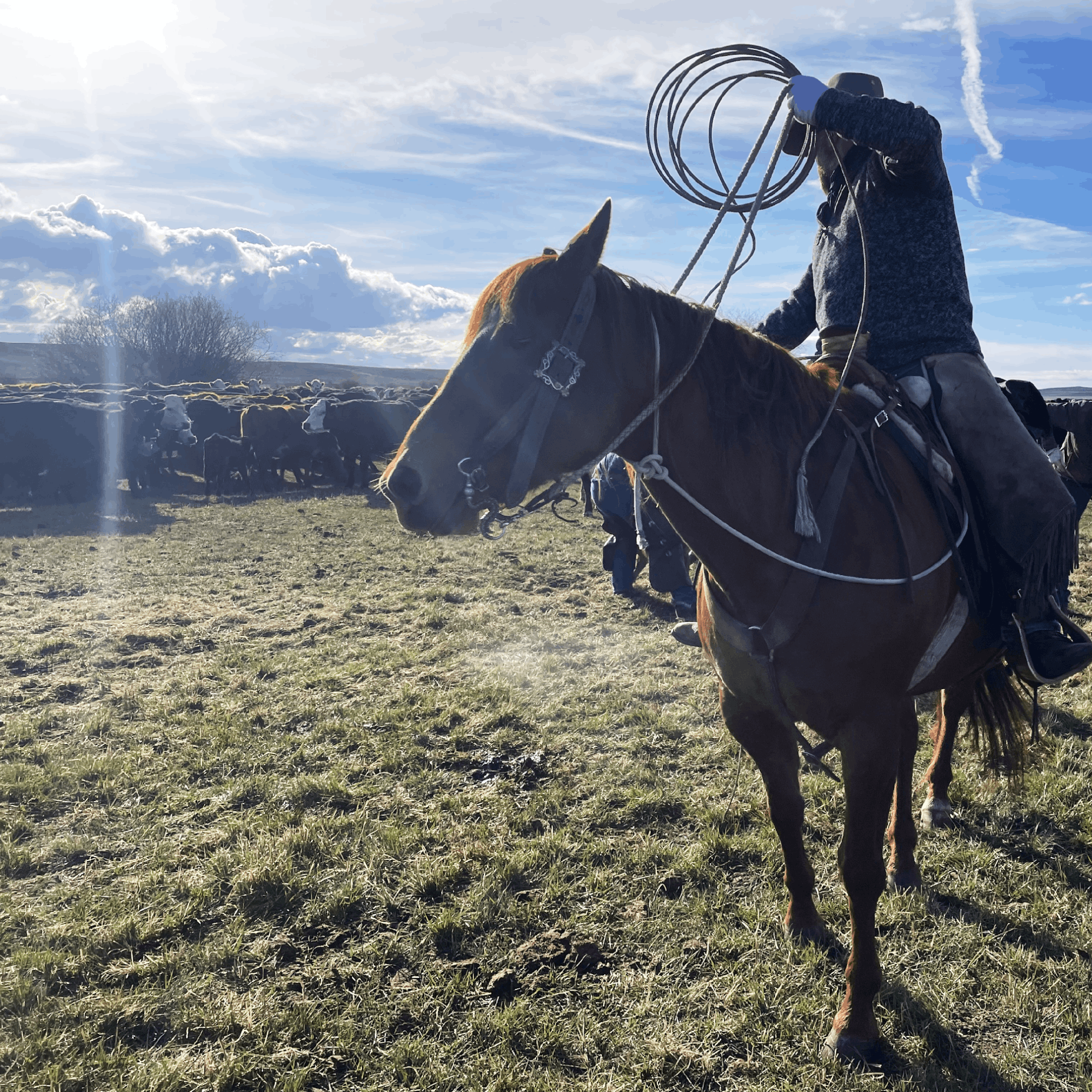
Our first hurdle was first how to get blood-fed females from local areas where we generally know the virus occurs. On May 25th, 2024, we visited a ranch during their annual cattle drive operations and were allowed to pull ticks off the cattle. We were told these cattle were historically rather tick-infested, so we were really excited that we were going to come away with loads of ticks, but ended up sourcing only 13 blood-fed females.
Back to the Lab
Once back in the lab, we popped each female Rocky Mountain wood tick into individual tubes with a fine mesh screen in the lid, and placed all the tubes in a desiccator with a pan of water on the bottle shelf. We set the lights to 14 hours light, 10 hours dark and set the temperature to 28 degrees Celsius.

Sure enough, our ladies laid some eggs! Of our 13 blood-fed females collected, 10 of them successfully oviposited and oviposition occurred rather quickly, within 6 days on average of being in the insectary.
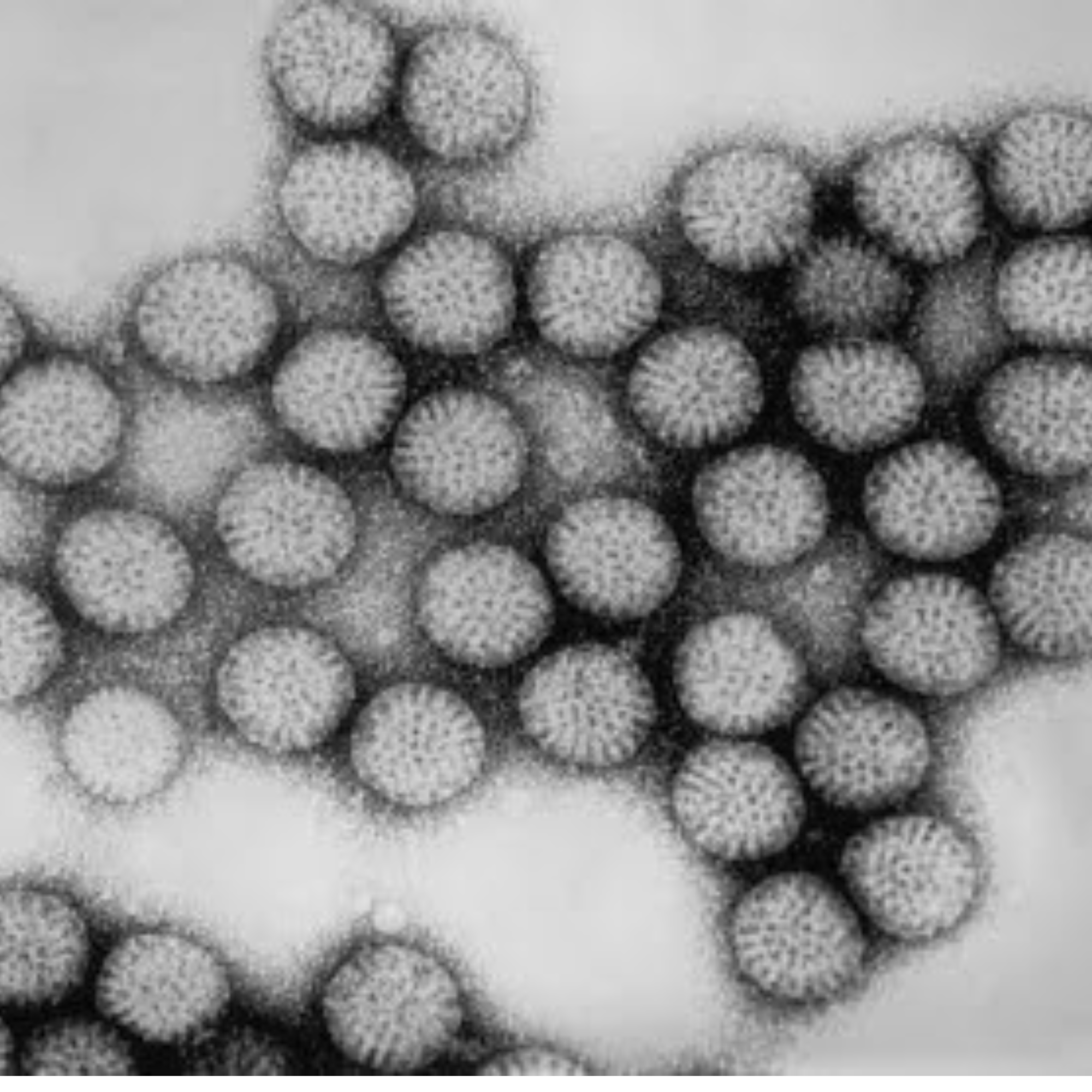
Unfortunately, only three of those egg masses hatched. Those that didn’t hatch succumbed to fungal growth. We were still very excited by the three hatches.
.gif)
Pathogen Testing with qPCR
We tested both the female husks and their larvae for CTFV using qPCR in our lab and all whopping three samples were negative.
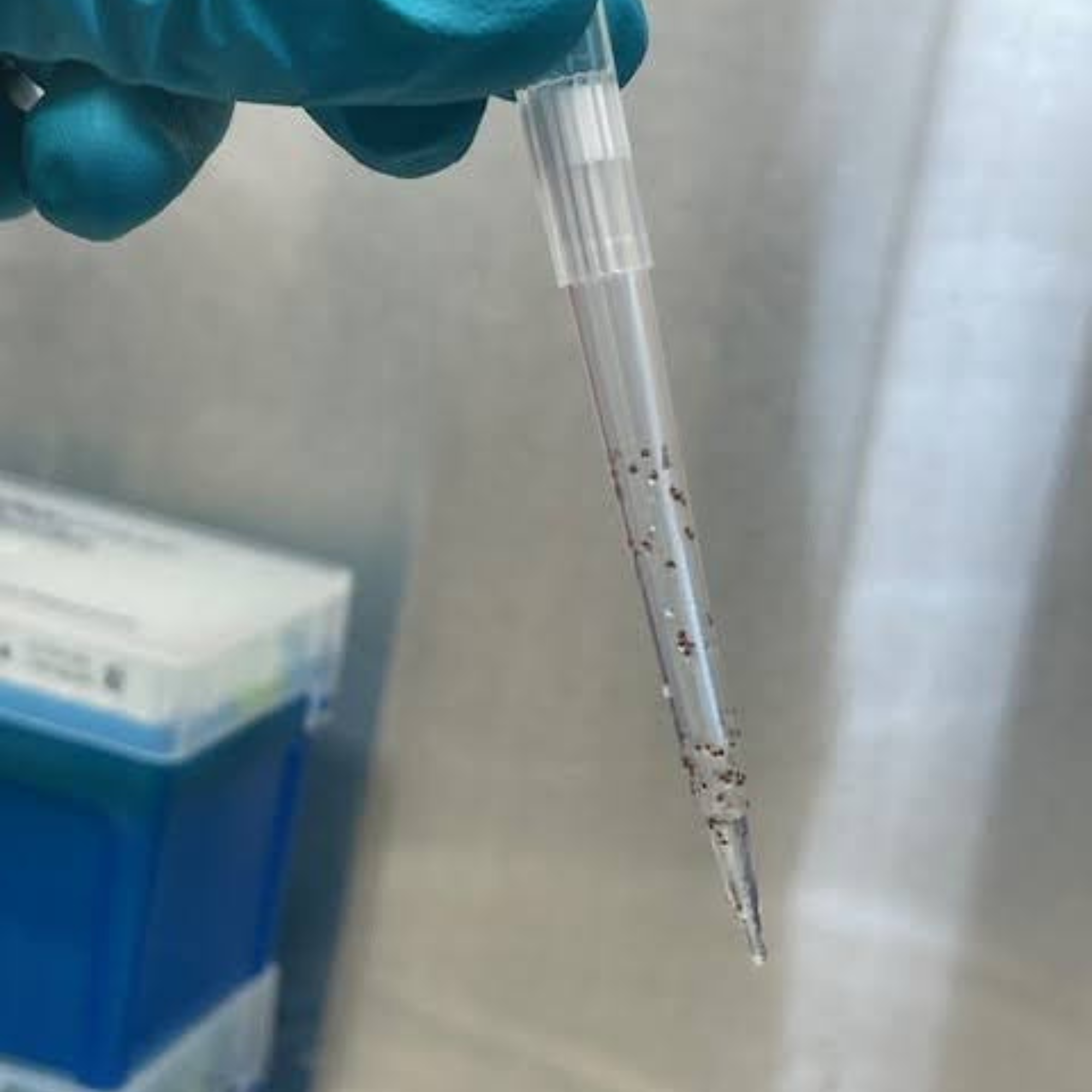
- What is qPCR? qPCR is the laboratory technique used to detect and measure specific DNA or RNA sequences in a sample. It involves Extraction – (DNA or RNA is extracted from a sample (example: ticks, blood, tissue), Amplification – (Specific primers target the gene of interest), Fluorescence – (A dye or probe emits light as the target sequence is copied), and Detection (The instrument measures fluorescence each cycle, generating a curve). The more target material present at the start, the earlier the fluorescence crosses a threshold (called the Ct value, or cycle threshold).
Kelsey included an internal positive control to ensure the results were true negatives and not an extraction failure. And it was this stage in our experiment that actually turned out to be the most difficult. These larvae just stuck to absolutely everything during extraction and gave Kelsey a huge headache trying to manipulate them.
Looking Forward
In the future we are looking forward to honing in on exact locations where we know there is a very high CTFV infection rate in questing ticks and conducting host collections and burrow sampling in the area.
We also receive a fair amount of blood-fed ticks through our passive surveillance program and we will try to get them to oviposit in the future, as well. Last but not least, we will try to improve methods to manipulate the tick larvae during extraction.
In Summary
We are excited about the future of our Tick Surveillance Program as we continue to learn more about the abundance and transmission rates of tick-borne disease in Teton County, especially CTFV with Dermacentor andersoni. Our team is committed to continuing to provide real-time insights to the community that will have a long-term impact on public health outcomes.