
.png)
Your Property Taxes at Work
About Teton County Weed & Pest District
Teton County Weed & Pest Control District (TCWP) is a statutorily mandated special district funded through a dedicated property tax mill levy. Governed by a board appointed by the county commission, TCWP operates independently of the county general fund to carry out invasive species management and vector-borne disease prevention.
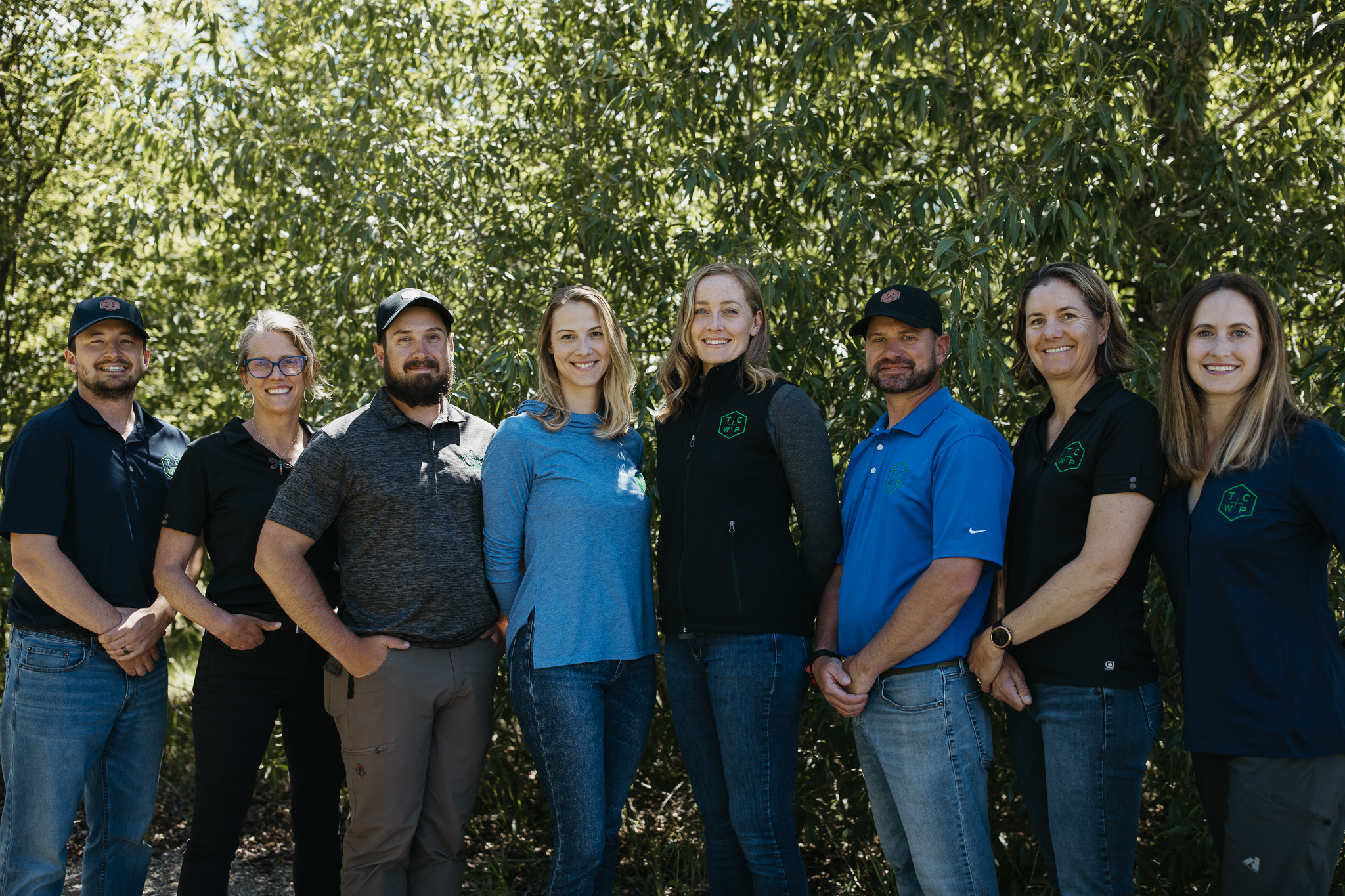
TCWP’s mission is to protect and restore ecosystem health while safeguarding public well-being. In 2025, the district employed 9 full-time staff and 16 seasonal employees, whose efforts are essential to field operations, monitoring, and community programs. Together, this team works to support a healthy environment and empowered community across Teton County.
Supporting Landowners: Tools, Resources, and Cost-Share Programs
TCWP provides cost-share programs, equipment loans, and free consultations to help residents manage invasive plants on private property and promote responsible land stewardship. These programs make invasive plant management more accessible, helping protect Teton County’s landscapes and ecosystems.
In 2025, TCWP provided $15,361 in herbicide cost-share savings, loaned 36 backpack sprayers, and completed 43 on-site consultations covering 535 acres. The Invasive Plant Cost-Share Reimbursement Program distributed $210,493 to 388 landowners, supporting management efforts across 11,786 acres.
Vector-Borne Disease Programs
Mosquito Management: Protecting Public Health in Teton County
The TCWP mosquito management program uses an integrated approach to prevent mosquito-borne diseases by targeting breeding habitats, monitoring mosquito populations, testing for disease and pesticide resistance, and educating the public.
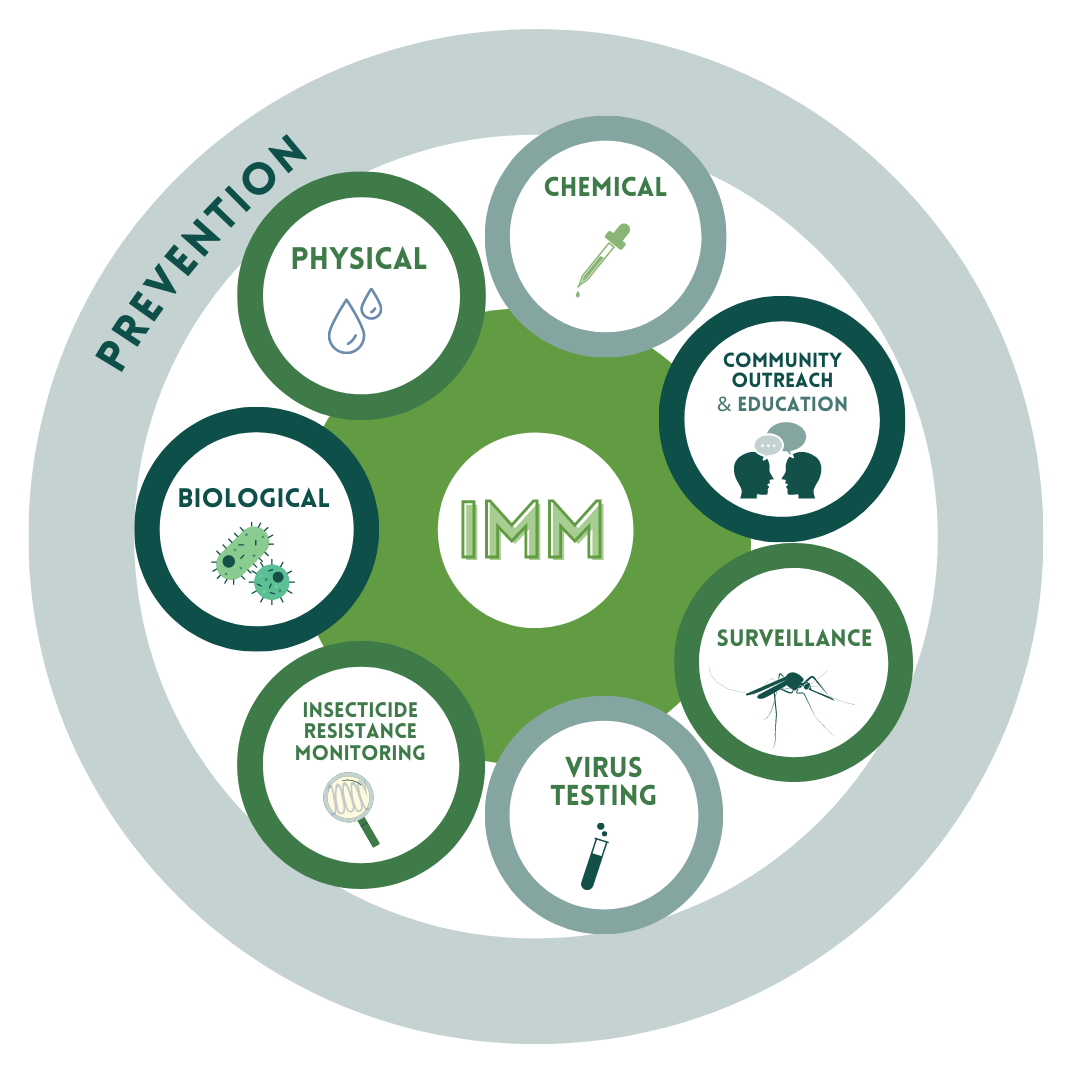
In 2025, TCWP treated 1,770 acres using backpack and drone applications, set 352 traps, captured nearly 60,000 mosquitoes, and tested 289 mosquito pools—with zero positive detections of West Nile virus.
To ensure long-term effectiveness, TCWP conducts pesticide resistance testing and field trials to identify the most effective tools for mosquito control. These efforts help safeguard public health today while preparing for future disease risks.
Community participation is essential. Landowners can help by reducing standing water, identifying breeding sites, and supporting healthy pond and waterway ecosystems. Learn more at tcweed.org/resident-guide.
Tick Surveillance: Monitoring Emerging Risks
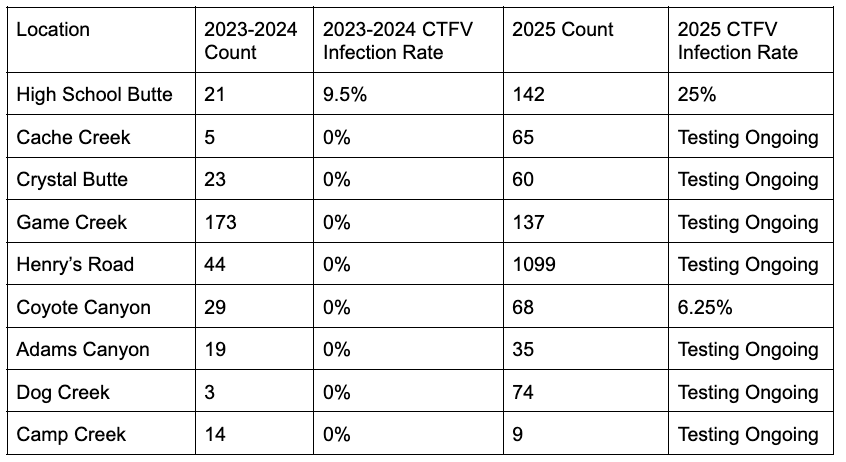
TCWP launched a full-scale tick surveillance program in 2024 to better understand tick species distribution and tick-borne disease risks in Teton County and Wyoming. In 2025, TCWP collected 2,583 ticks through active field surveys and community submissions, with support from 45 volunteers.
A major finding was the detection of the American Dog Tick, a species not previously known to be established in Wyoming. This tick can transmit diseases, including Rocky Mountain Spotted Fever and tularemia, and can also cause tick paralysis.
TCWP is currently testing ticks for Colorado Tick Fever Virus, historically common in the region. These efforts help guide public health decisions and improve awareness to reduce tick-borne disease risks for residents and visitors alike.
Invasive Plant Management: Prevention, Protection, and Restoration
TCWP uses integrated weed management to protect and restore local ecosystems, working closely with partner agencies and private landowners. Prevention and early detection are top priorities, helping stop invasive plants before they become established. These efforts help preserve native habitats, protect wildlife, and maintain the ecological health of Teton County.
In 2025, TCWP visited 1,531 Early Detection and Rapid Response (EDRR) sites, confirmed 614 locations free of invasive plants, and successfully eradicated infestations at 60 sites. Staff also certified 1,317 acres of weed-free forage to help prevent new introductions.
Field crews logged 4,365 hours, treating 263 acres by hand and 175 acres by drone, while biological controls such as Canada thistle rust fungus and knapweed weevils supported long-term, sustainable management.
Community Engagement: Educating and Empowering Teton County
TCWP connects with the community through hands-on volunteer projects, youth education, and public outreach focused on conservation, invasive species management, and vector-borne disease prevention.
In 2025, the Habitat Heroes program engaged 949 volunteers in 62 weed pull events, contributing 2,195 hours to invasive plant removal across 19 sites.
During the 2024–2025 school year, TCWP delivered 133 hours of instruction, reaching 809 K–12 students through classroom and outdoor programs offered in English and Spanish. Lessons covered topics such as plant biology, insects, invasive species, and ecosystem health.
TCWP also expanded outreach through community events, presentations, media campaigns, and direct mailings, increasing awareness and encouraging residents to take an active role in protecting Teton County’s environment.
Property Taxes at Work for You
Through science-based management, strong partnerships, and meaningful community engagement, TCWP works to protect public health, preserve and restore natural ecosystems, and promote responsible land stewardship. The programs highlighted here reflect the direct impact of your property tax investment, delivering lasting benefits for our community. Together, we are helping to ensure a healthy, resilient environment that can be enjoyed and sustained for generations to come. Additional information on TCWP programs is available throughout this website. If you have further questions about any of the TCWP programs or how your property tax dollars are being utilized, you are welcome to contact TCWP staff with questions.
You can find out more about Weed and Pest Districts and their role in Wyoming in the Wyoming Weed and Pest Council white paper, “Invasive Weeds and the Cost to Wyoming.”