
Invasive Species
Don't Move Firewood: Buy It Where You Burn It
Fall in Teton County calls for crisp hikes that end with a cozy evening around the campfire. But there’s one thing you shouldn’t bring on your trek: firewood.October is Firewood Month, and the message we want you to remember is simple: Buy It Where You Burn It. Firewood can look perfectly healthy on the outside, but insects, eggs, or larvae can be hidden beneath the bark or inside the wood. And even though you’re burning it, moving it long distances can give forest pests a ride into places they may never reach on their own.
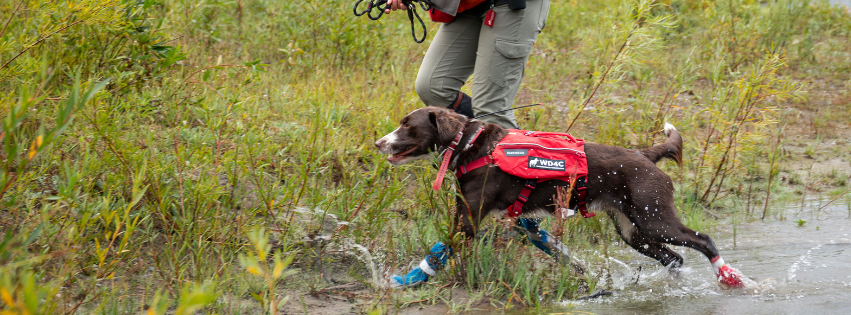
A Nose for Noxious Weeds: Working Dogs for Conservation
We here at TCWP might have a great nose for invasive weeds, but we’ll never top the tenacious pups at Working Dogs for Conservation. This Montana-based nonprofit trains dogs to help protect wildlife and wild places by detecting things humans might miss, including invasive plants, wildlife diseases, and evidence of wildlife crime.
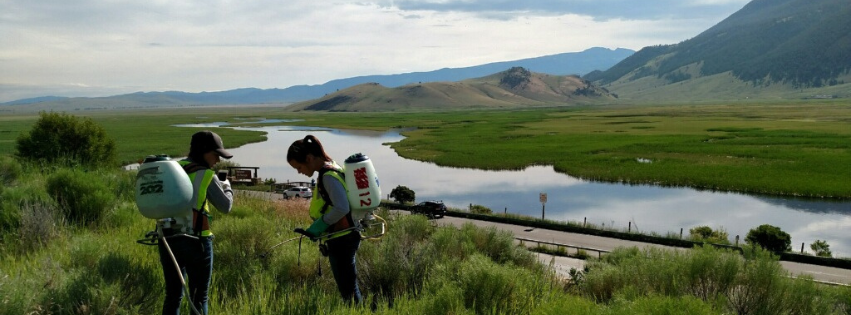
5 Things You Can Do
TCWP staff work hard to protect and restore ecosystem integrity and public health, but ecosystem-wide invasive species and vector-borne disease prevention relies on all of us working together. Whether you are a landowner, resident, or visitor to Teton County, you can help us prevent the spread of invasive species and protect public health.
.png)
EDDMaps Vs. Wildspotter
There’s little our phones can’t do. From ordering food to finding love to helping us get around, they’ve made our lives easier in all kinds of ways. But did you know they can even help us fight back against invasive weeds?At Teton County Weed & Pest, early detection is one of our best tools for stopping invasive plants before they spread across trails, rivers, neighborhoods, and public lands. Apps like EDDMapS, short for Early Detection and Distribution Mapping System, and Wild Spotter help recreationists, hikers, hobbyists, and outdoor enthusiasts report suspicious plants and pests when they see them.
.png)
Weed of the Month: Absinth Wormwood
For this Weed of the Month, we’re talking about absinth wormwood. Yes, this is the same bitter herb historically associated with absinthe, but we’re trying to keep this cocktail off the menu in Teton County.Absinth wormwood, or Artemisia absinthium, is a County Declared, Priority 3 invasive plant in Teton County. It can push into disturbed areas, pastures, roadsides, fence rows, and other places where bare ground gives it room to settle in.
.png)
PlayCleanGo Week 2026: "We Protect the Places We Love"
In a seasonal community like Jackson Hole, outdoor recreation is in our DNA. From trail walks, mountain biking, and climbing in the spring to skiing, snowboarding, and snowmobiling in the winter—our great outdoors brings us (and countless visitors) together. But all that fun also carries the risk of spreading invasive species.That’s why we invite you to join us in celebrating PlayCleanGo Week with us from June 6–13, 2026. This year’s theme, “We protect the places we love,” is a reminder that small, everyday actions can make a big difference for the long-term health of our lands and waterways. We’ll be sharing tips all week so you can learn the best ways to recreate responsibly!
.png)
Weed of the Month: Phragmites australis subsp. australis
Phragmites might sound like a small bug, but this towering wetland grass is a big threat to Teton County. Also known as common reed, Phragmites australis subsp. australis is a perennial grass that grows in wet places like marshes, pond edges, ditches, and riparian corridors.To complicate things even more, native subspecies of phragmites (Phragmites australis subsp. americanus) look just like the invasive version and are vital to the health of our environments. Luckily, we’re fighting back with the power of science.
.png)
Weed of the Month: Poison Hemlock
For this Weed of the Month, we’re talking about poison hemlock. This invasive weed is pretty, prolific, and (surprise, surprise) poisonous! A member of the carrot family, this biennial loves to show up where we live and play, spreading quietly into problem patches for pets, livestock, and loved ones. Unlike carrots, this one is no good in stew.
.png)
NISAW: Defending Our Health By Stopping the Spread
Invasive species are a worldwide threat, posing danger not just to wildlife and our environment, but to agriculture, economies, and our very health. National Invasive Species Awareness Week (NISAW) is an annual campaign led by The North American Invasive Species Management Association (NAISMA) that’s dedicated to shining a spotlight on the widespread damage caused by invasive species and how we can work together to stop them.