
.png)
Weed of the Month: Phragmites australis subsp. australis
Phragmites might sound like a small bug, but this towering wetland grass is a big threat to Teton County. Also known as common reed, Phragmites australis subsp. australis is a perennial grass that grows in wet places like marshes, pond edges, ditches, and riparian corridors.
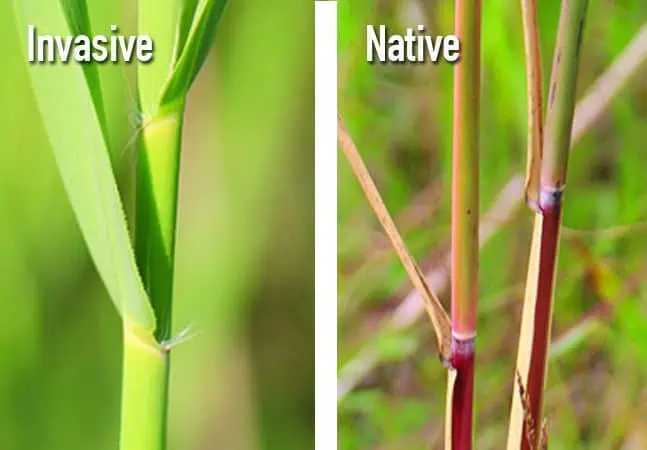
To complicate things even more, native subspecies of phragmites (Phragmites australis subsp. americanus) looks just like the invasive version and are vital to the health of our environments. Luckily, we’re fighting back with the power of science.
Where Are They From, What Do They Look Like?
Native phragmites has long been part of North American wetland systems, but the invasive subspecies originated from Europe and Asia and has spread aggressively across the continent.
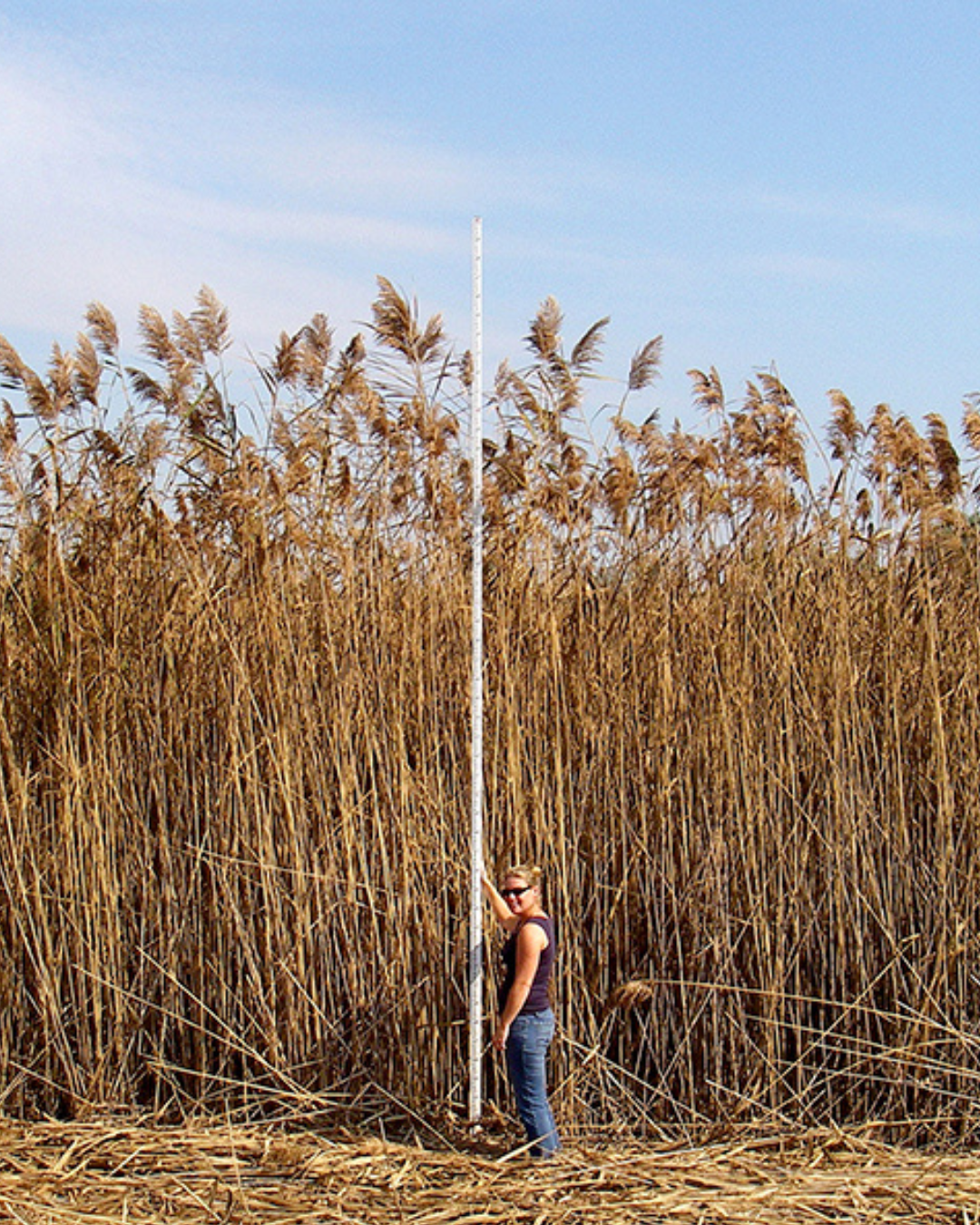
Invasive phragmites can grow up to 20 feet tall and form thick, dense stands with up to 200 per square meter. It may have bluish-green leaves, dull greenish-tan stems, persistent leaf sheaths, and large, fluffy seed heads that become especially noticeable later in the season.
Native phragmites tends to be less dense and are usually found growing alongside a more diverse mix of wetland plants. But because native and invasive phragmites can look similar, proper identification matters.
Where It’s Found in Teton County
In Teton County, phragmites stands are most likely to appear in wetland and water-adjacent areas like irrigation ditches, pond edges, marshy spots, drainages, and riparian corridors. It especially likes disturbed wet soils where native vegetation has been reduced or soil has been moved. Keep an eye on wet areas, especially along ditches, low spots, and shorelines.
Phragmites has also been found in landscapes throughout the county. Whether these new infestations are a result of contaminated planting materials, topsoil, or construction equipment has not been determined.
A Reed-y Big Problem
Once established, invasive phragmites can take over wetland areas fast. It spreads through seeds, underground rhizomes, above ground stolons, and broken plant fragments, allowing it to move along waterways, ditches, roadsides, and disturbed wet soils.
Dense stands can crowd out native plants, reduce wetland diversity, block wildlife movement, limit access to waterways, and change the structure of wetland habitat. They can reduce water levels by gulping it up faster than local wildlife, and their fallen stems form thick bunches that pose a serious wildfire risk.
Since they look like native phragmites, how can you be sure you’re not wrongfully accusing an innocent reed? One can only be certain through submitting a report for DNA testing at the TCWP BSL-2 Safety Lab!
CSI: Teton County
Until 2023, neither native nor invasive phragmites had been formally reported in Teton County, though both have been found around Grand Teton National Park and our community.
After we found a sample that matched invasive morphology, we started molecular testing, uncovering 10 sites with invasive phragmites and 3 with natives. Guided by genetic identification, we were able to go after invasive phragmites before they spread further while also helping out detection efforts nationwide!
How You Can Help
The best way to manage invasive phragmites is to prevent it from getting comfortable in the first place. Always remember to recreate responsibly and practice PlayCleanGo when on outdoor adventures; clean mud, seeds, and plant material from boots, boats, waders, trailers, pets, and equipment after visiting wetland or riparian areas. You can prevent the spread of invasive species during construction and landscaping, too. Request that construction equipment and vehicles are cleaned or pressure washed before entering a new work site, use certified weed free materials as available, and check soil and plant materials for contaminants before installation.
If you spot some suspicious reeds, don’t wade into battle alone. Take clear photos of the full plant, seed head, leaves, stems, and surrounding habitat. Early detection is everything, so don’t hesitate to tip us off. Join WYLD Watch and report phragmites and other invasive species by downloading the free EDDMapS app or use the Report Invasive Plant Infestation form. The sooner we know where it is, the better chance we have of protecting Teton County and waterfront ecosystems from a reed we don’t need.
Find out more about how we test phragmites samples: Diversifying the Capacity of the District's Lab to Provide Genetic Identification of Invasive Plants.