
.png)
Herbicide Physiology and Classifications
Herbicides are chemicals that are phytotoxic to plants. As with the medicines that we take to get better, herbicides must be applied to undesirable and invasive plants in the right method, at the right dose, and at the right time to be effective in eradicating.
Herbicide Absorption Into Plants
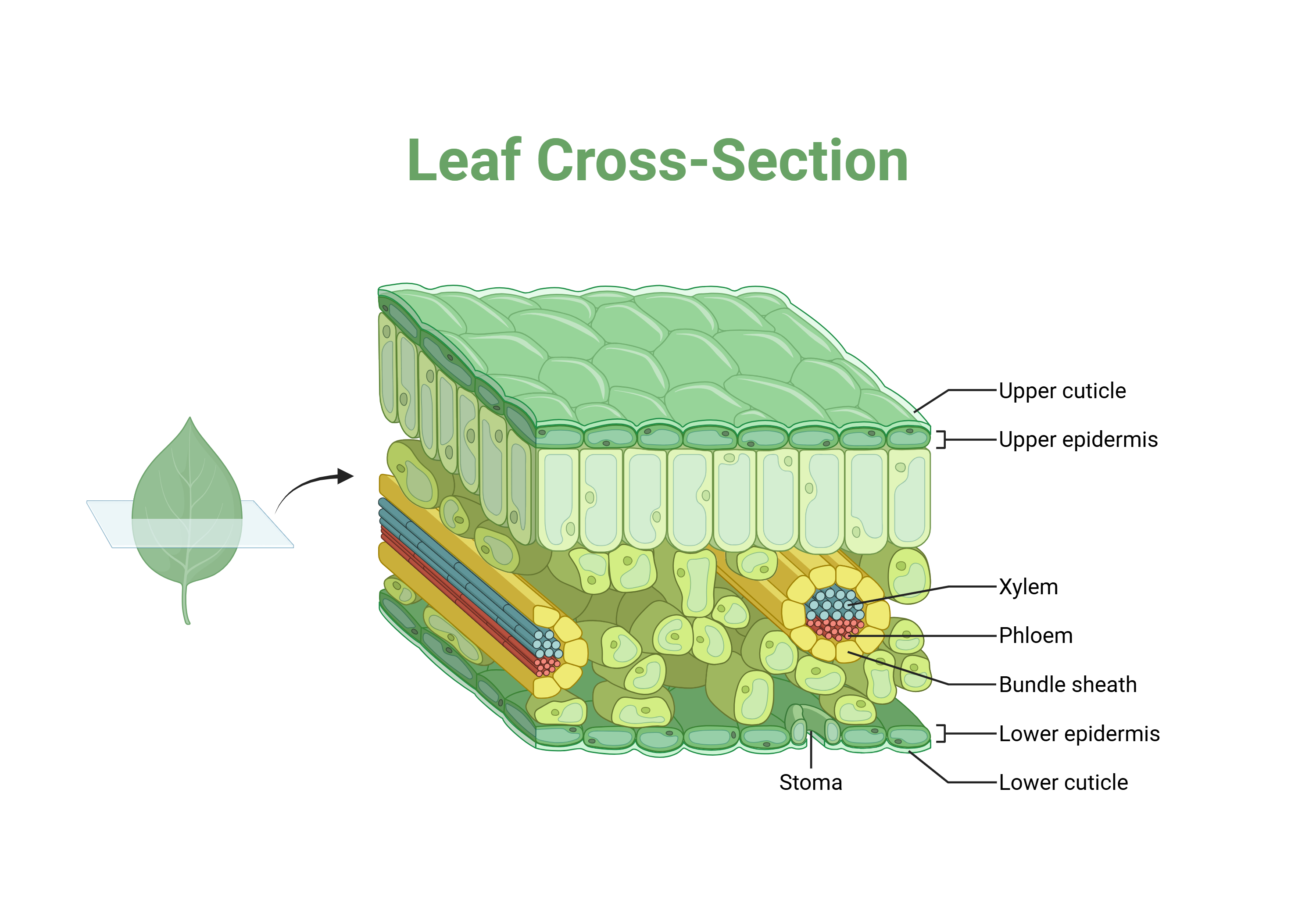
Plants have defenses to both keep things out and keep vital water in. A waxy cuticle protects the surface, or epidermis, of leaves, and some plants have additional defenses, like leaf hairs and trichomes, that slow predators (and herbicides) from reaching the leaf surface. In times of stress, plants can thicken their cuticle or even alter the composition of the cuticle to prevent water loss, mitigate the effects of freezing temperatures, and dissipate ultraviolet radiation (Zhao et al., 2025).
Herbicide Movement Within Plants
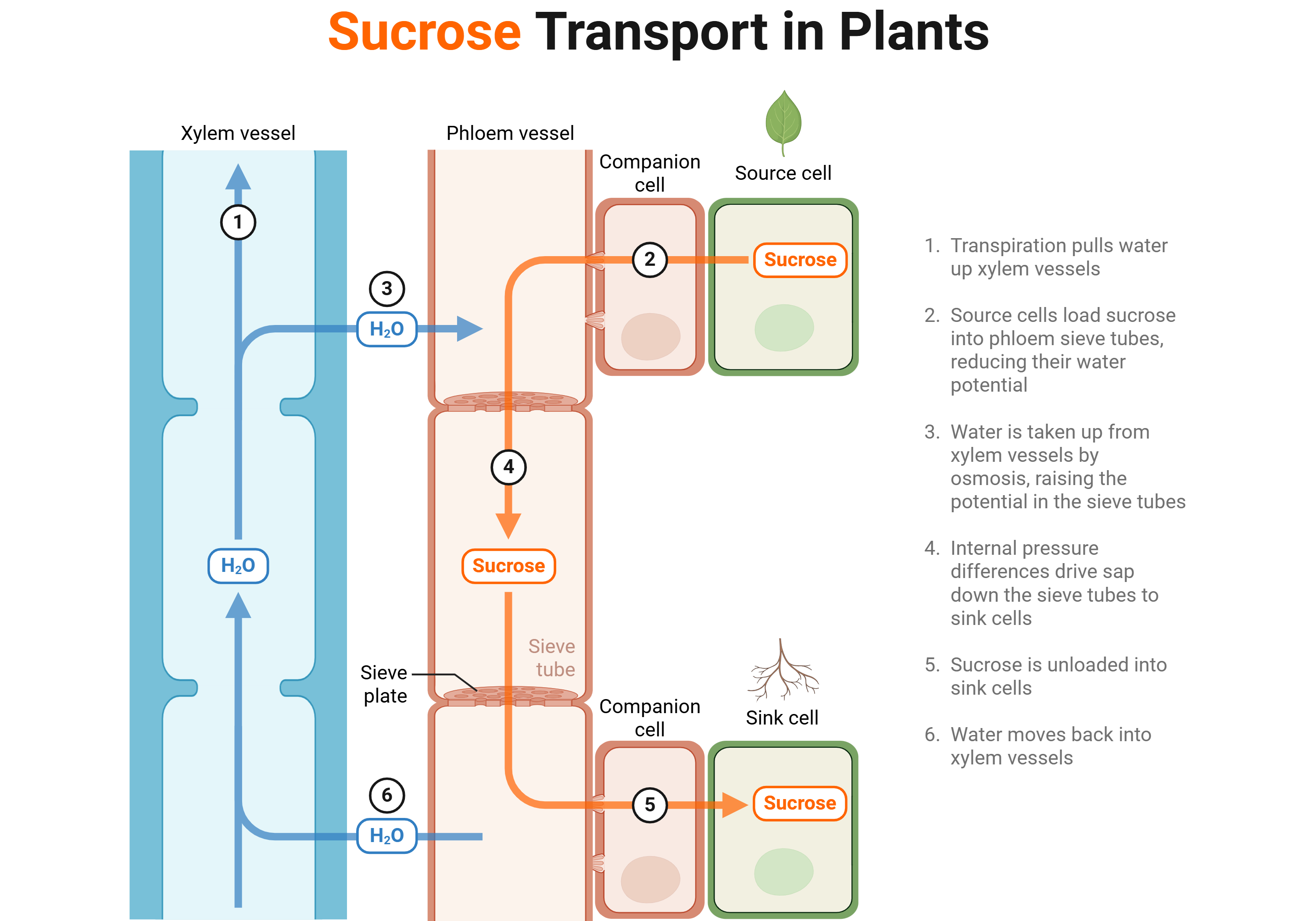
Herbicides are either contact or systemic. Contact herbicides cause damage at the point of contact. They move minimally in plants impacting leaf and stem cells. Systemic herbicides move through the plant to reach their target site. Once absorbed through the leaf or root, systemic herbicides move, or are translocated, along with water, nutrients, and photosynthates(sugars and related molecules). The pathways of transportation of herbicides may be short or long distance, and herbicides may utilize both to reach their active site. Short distance transport includes cell-to-cell movement as well as within the cells themselves. Long distance transport relies on the xylem and/or phloem.
Xylem Transport:
- Transport from root to tip
- Primary water transport for transpiration
- Relies on pressure, capillary action, and cohesion-tension
Phloem Transport:
- Transport from leaf to other plant parts
- Primary sugar and metabolite transport (photosynthate stream)
- Relies on osmosis or bulk flow
During times of abiotic or environmental stress, transportation via the xylem and phloem slows down. Transpiration, the movement of water through a plant via the xylem, is essential for gas exchange in plants and is the plant equivalent of breathing, but unlike animals, plants do not transpire all the time. To prevent water loss, most plants close their stomata at night and during times of drought and high heat; plants also close their stomata during freezing weather to help protect from cell death. Osmosis or bulk flow through the phloem requires adequate water content, sugar, and secondary metabolites to allow for movement through the plant. Plant metabolism slows during drought, high heat, and cold temperatures leading to different ratios of metabolites in the phloem.
Herbicide Classifications and Activity Within Plants
When the herbicide reaches the active site, it must be utilized in order to be phytotoxic to the plant. Most of the herbicides utilized and recommended by TCWP are classified as either auxin mimics (i.e. Milestone and High Noon) or ALS inhibitors (i.e. Telar).
Auxin Mimics
Auxins are naturally occurring plant growth hormones; auxin mimic herbicides are synthetic versions of these plant hormones that are thought to work by taking the place of the plant’s auxins causing rapid, uncontrolled growth and cellular division to the point of plant death.
Auxin mimics, like Milestone and Opensight, can be used in noncrop, natural areas, and rangeland. They provide residual control for germinating seeds. These products should not be used within the drip line of conifers, or on vegetation that may be composted, or used on desirable vegetation.
ALS-Inhibitors
ALS-inhibiting herbicides prevent the formation of acetolactate synthase (ALS), an enzyme, which is essential in production of key amino acids. Inhibition of this enzyme causes a build up of metabolites which are toxic to plants in high concentrations. In both of these cases, plants must be growing and undergoing metabolic processes in order for herbicides to be effective.
ALS inhibitors, such as Telar, control many broadleaf species, some grass species, and some shrubby species and is not for use on lawns!
Need Support?
Contact our District to help ensure you are choosing the right herbicides that will meet your needs and effectively eradicate different invasive species that may be found around your property.
Zhao, P., Li, Q., Lei, Y., Zou, J., and Li, Qi. 2025. Adaptation of cuticle metabolism to abiotic stress in plants. Crop. Envir. 4, 38-44.