
No items found.
print to pdf
Status:
County Declared
•
Priority 1
Synonyms:
common reed, carrizo, Danube grass, Roseau cane
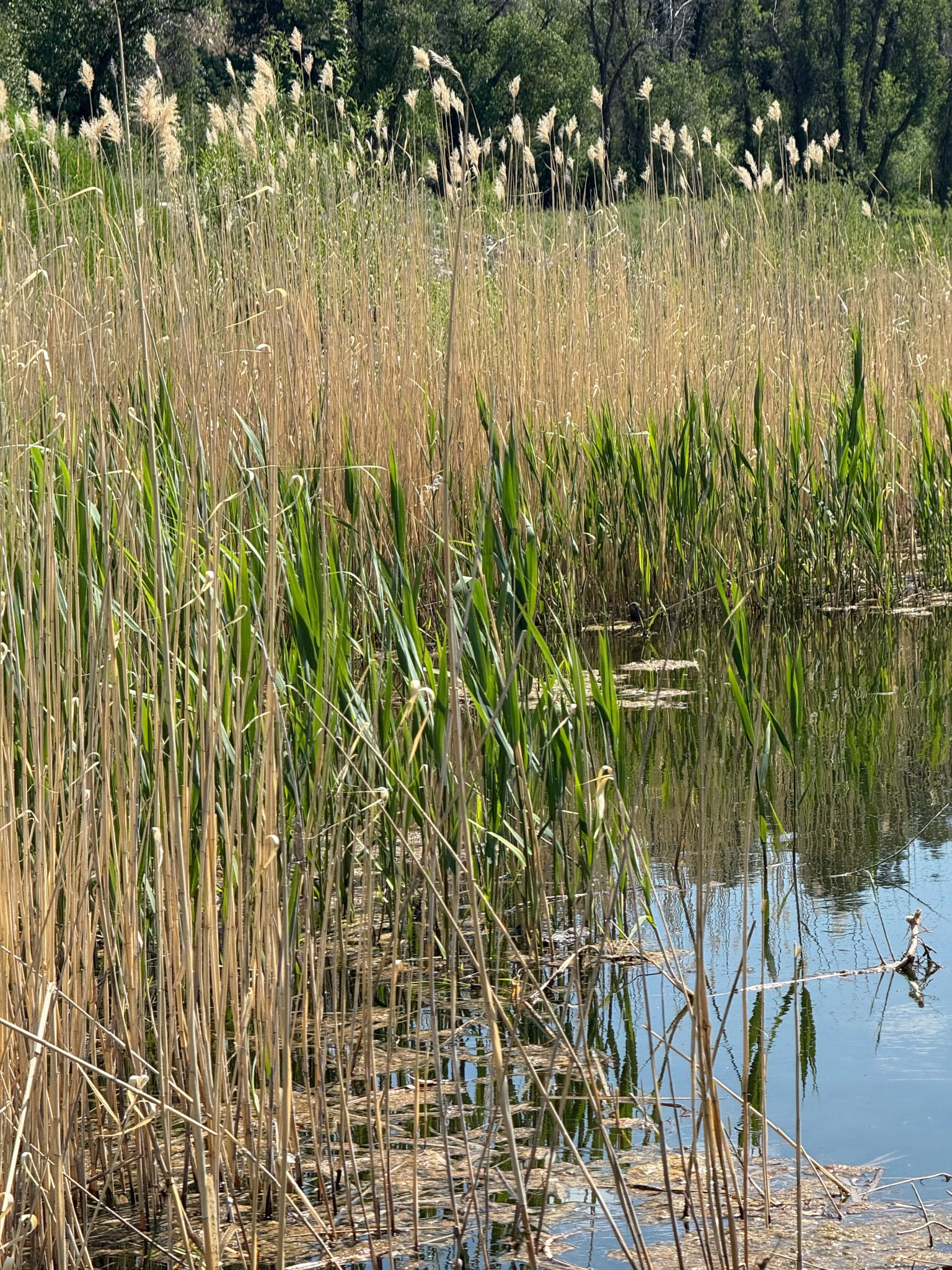
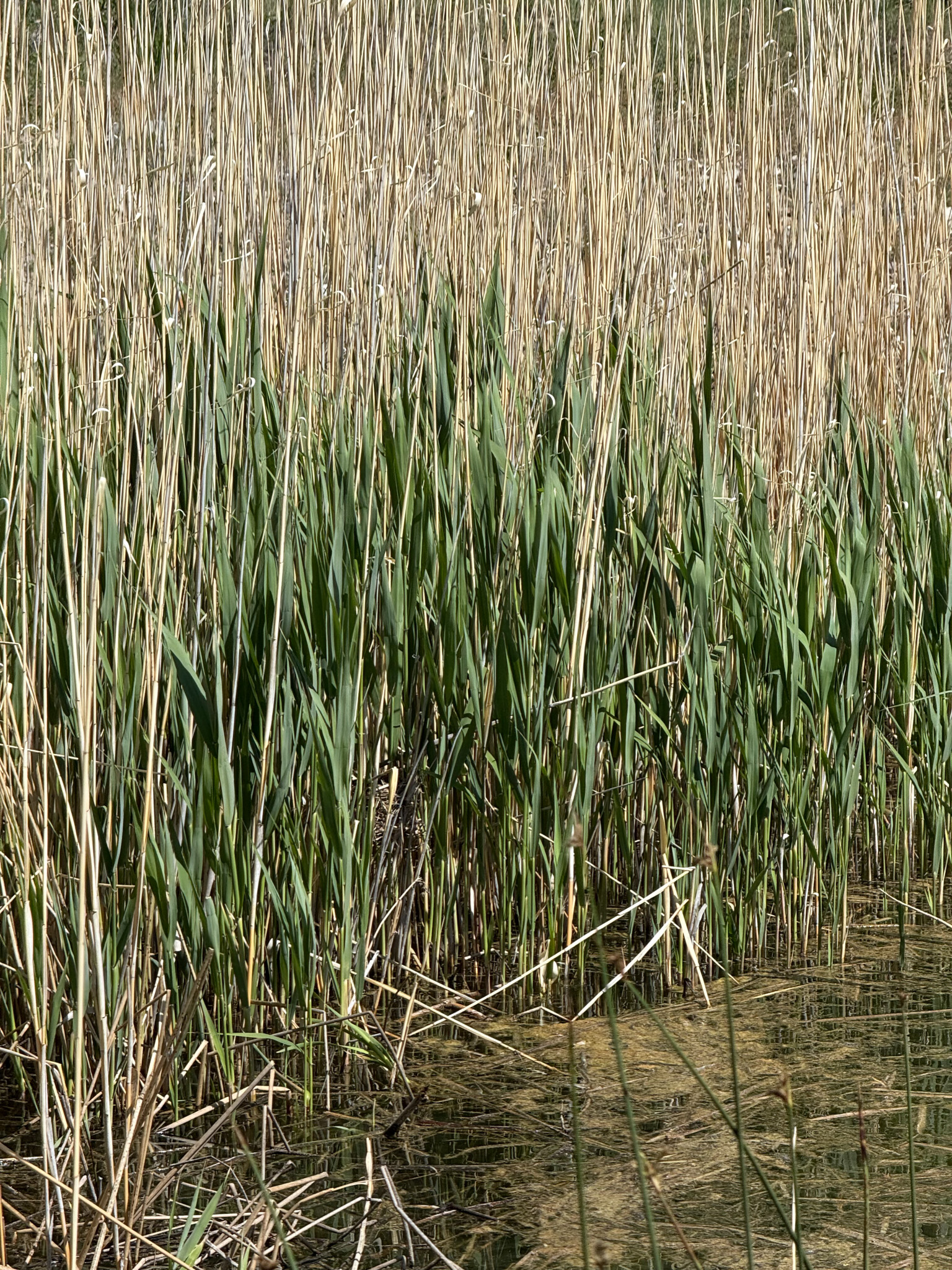
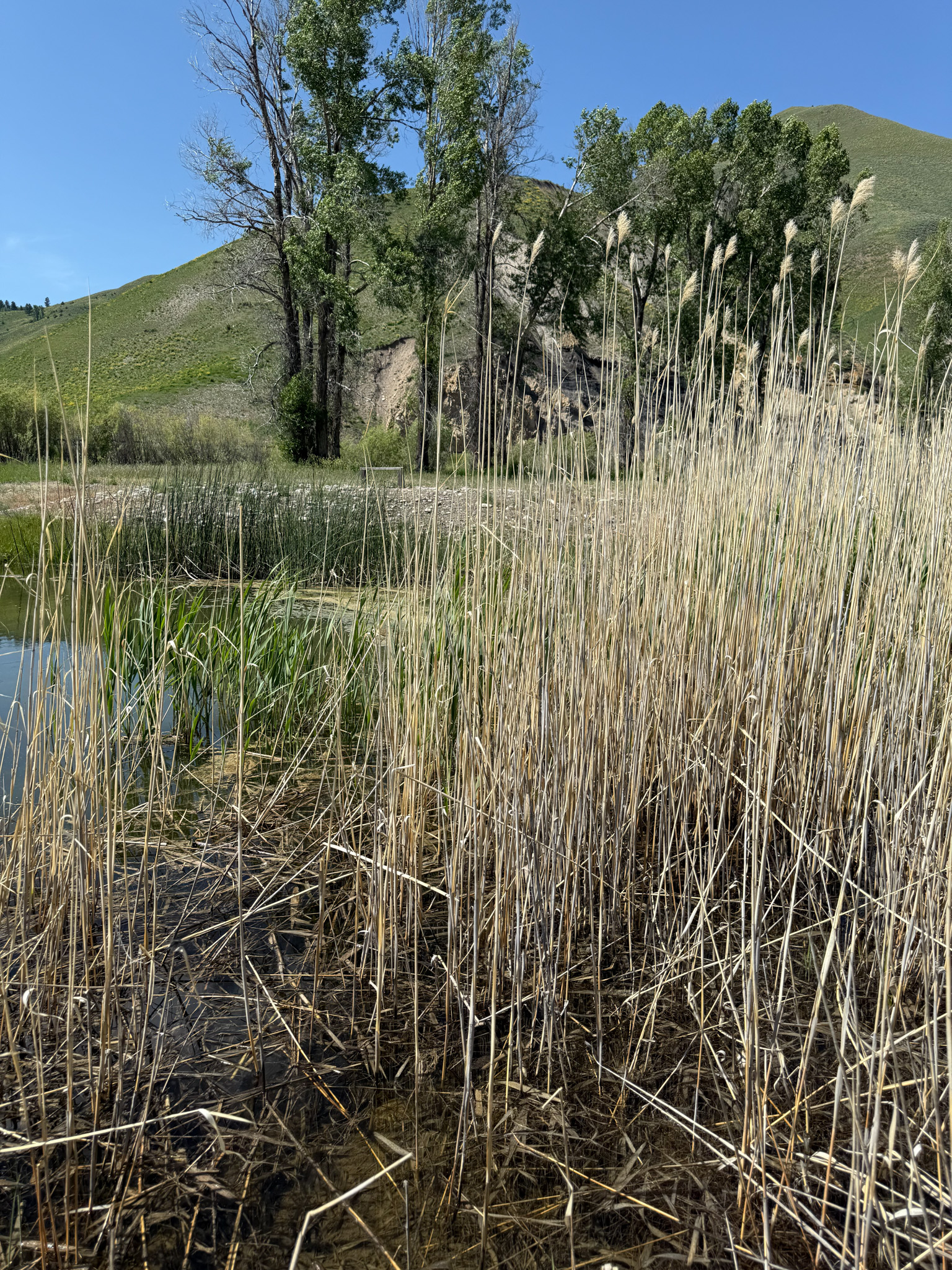
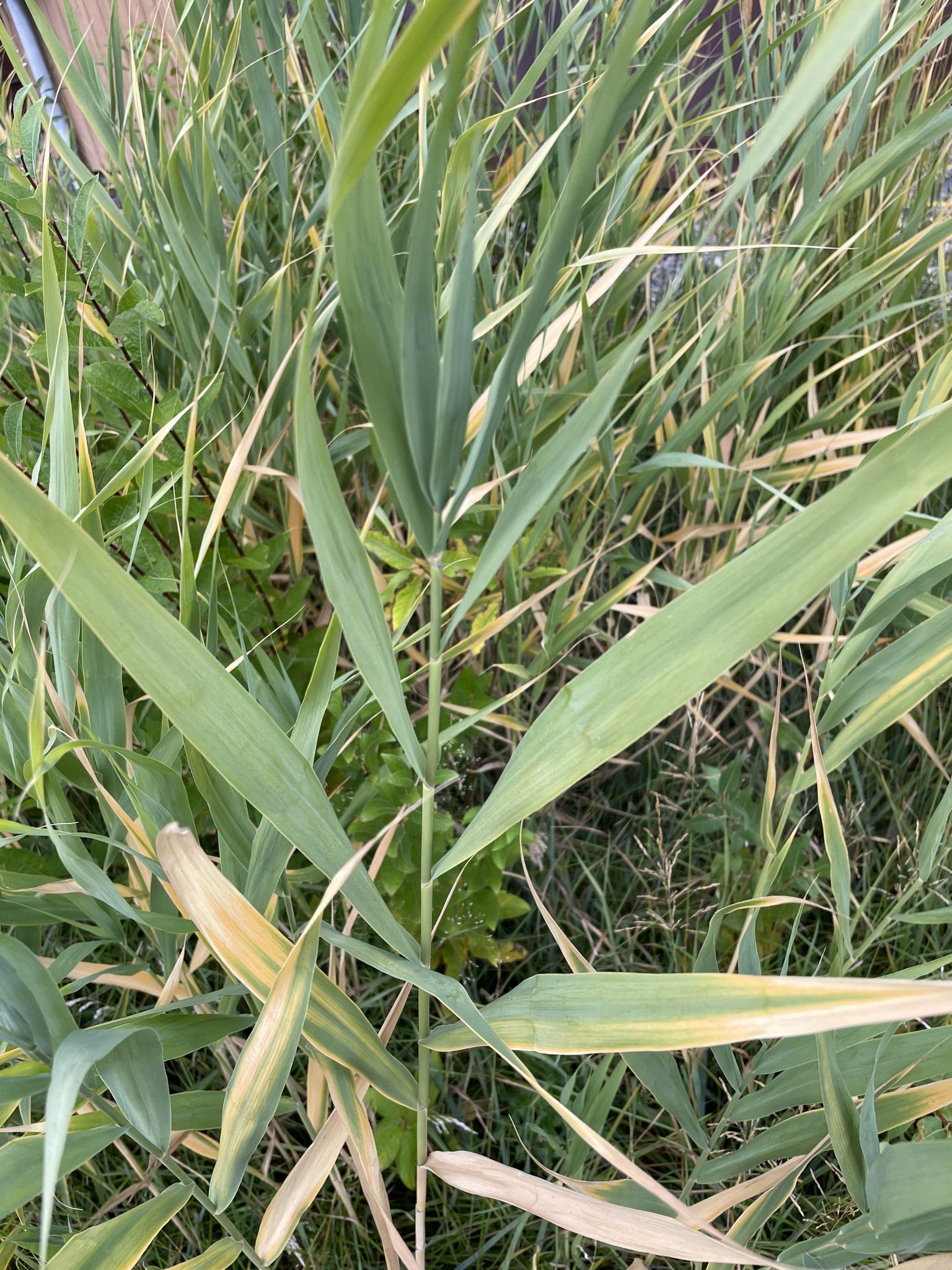
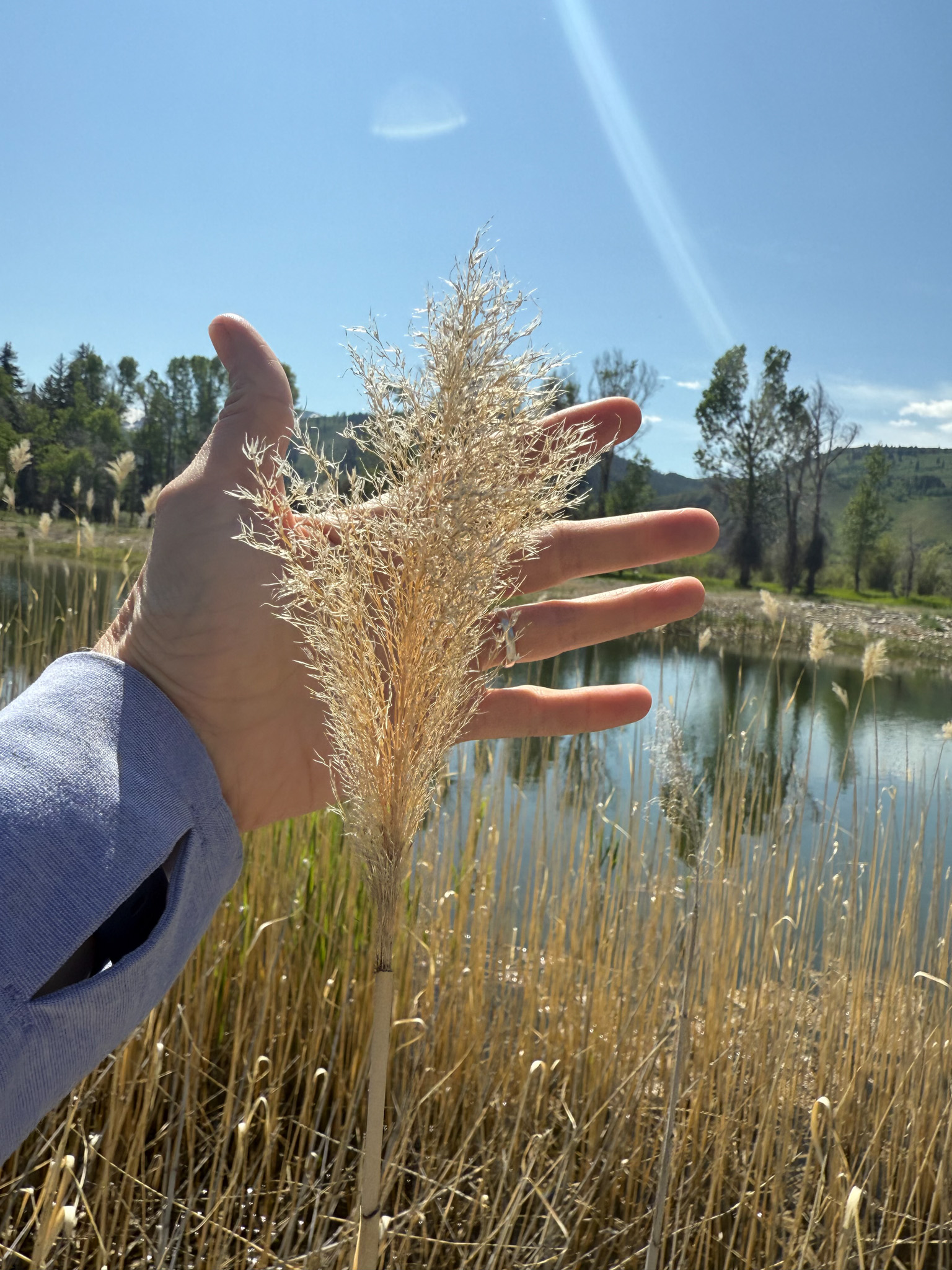
Phragmites is a perennial grass in the Poaceae family. It produces erect stems that may reach 4 to 20 feet tall. These stems are round, hollow, and glabrous (hairless). Stems of the invasive subspecies are light green to tan in color. Leaves are flat 1 to 2 inches at the base and may be up to 2 feet long. Leaves are green and glabrous but have rough edges. Leaves occur alternately on each side of the stem. Sheaths are round and open around the stems. Ligules are small, membranous, and fringed. Phragmites flowers from mid-spring to late summer. Flowers are produced in large panicles (6 - 20 inches long). Panicles may be dark in color at emergence, but they may appear feathery and pale tan by maturity. Seeds are small, 1-3mm long. Phragmites has a large root system made of fast-growing rhizomes (below ground) and stolons (above ground). Rhizomes grow 16 inches per year and may reach up to 70 feet long.
Phragmites is native to Europe, Asia, Africa, and Australia. It was introduced to North America from Europe in the late 1700s or early 1800s. It creates dense infestations by spreading rhizomes and stolons and spreads to new locations by seed or root fragments. In Teton County, phragmites has been found in a variety of areas including riparian areas, roadsides, landscapes, and materials stockpiles.
.png)
Prevention strategies and cultural control strategies should be utilized as much as possible. Clean equipment before and after entering a worksite. Clean shoes, gear, and boating equipment before and after recreating. Brush pets after hiking, checking fur for seeds. Utilize certified weed free materials as available, and check construction and plant materials for contaminants before installation.
There are not currently any biological control agents available for phragmites.
Hand pulling and digging out is not recommended because rhizome and stolon fragments are capable of resprouting, although small patches may be removed by hand. Mowing will not eradicate phragmites when used alone, but it may be helpful in removing biomass allowing for more effective management with other methods (thoroughly clean all equipment after mowing). Grazing is also not frequently effective, and care should be taken as ergot, a poisonous fungus, can be found on phragmites. Burning may also be beneficial in reducing biomass, but great care should be taken when burning large stands due to wildfire risk.
Infestations can be controlled with herbicides especially when combined with other techniques. Herbicides are most effectively utilized for late-summer or early-fall treatments to reduce rhizome and stolon biomass. Read the label before using any herbicide. Contact TCWP if you have any questions about application rates or how to use an herbicide.