
.png)
Range Expansion of the American Dog Tick
Thank you to Kelsey Mitchell and Mikenna Smith for your contributions to this research presentation and content.
Wyoming’s First Tick Surveillance and Pathogen Testing Program
Ticks are responsible for over 95% of vector-borne disease cases in the United States, yet historically, very little tick surveillance has occurred in Wyoming. As tick-borne diseases increase nationwide and tick ranges continue to expand, understanding which tick species and pathogens are present in Wyoming is becoming increasingly important for public and animal health.
In response to these growing concerns, Teton County Weed & Pest District (TCWP) launched Wyoming’s first coordinated tick surveillance and pathogen testing program. While TCWP is best known for managing invasive plants and mosquitoes, recent investments in laboratory capacity and environmental monitoring have allowed the District to expand its vector program to include ticks.
Why a Tick Program in Wyoming?
Tick-borne diseases are increasing across the U.S., driven by a combination of climate change, land-use shifts, global trade, and human population growth. These factors influence tick survival, host availability, and pathogen transmission. Invasive species, such as the Asian longhorned tick, and range expansion of native ticks, like the American dog tick, have further heightened concerns nationwide.
Wyoming is often assumed to have limited tick activity, but several medically significant tick species are native to the state, including the Rocky Mountain wood tick, brown dog tick, Ornithodoros spp. soft ticks, and the American dog tick. The Rocky Mountain wood tick is of particular importance, as it transmits Colorado tick fever virus (CTFV), Rocky Mountain spotted fever, tularemia, Q fever, and can cause tick paralysis. Wyoming has one of the highest reported incidence rates of Colorado tick fever in the country, yet tick and pathogen data remain sparse.
Building Wyoming’s First Tick Surveillance Program
TCWP’s tick program focuses on four main components: surveillance, species identification, pathogen testing, and community outreach and education. Surveillance efforts combine both active and passive approaches. Active surveillance uses standardized 30-minute flagging surveys conducted by staff and trained volunteers to measure tick abundance by time, which is better suited to Wyoming’s rugged habitats than traditional drag methods. Passive surveillance relies on ticks submitted by the public and partner agencies from across the state, providing valuable presence and distribution data.
Why a Tick Program in Wyoming?
You might think, “Are there even ticks in Wyoming?” The answer is yes—and some carry serious diseases.
Ticks of Medical Importance in Wyoming
Rocky Mountain Wood Tick (Dermacentor andersoni)
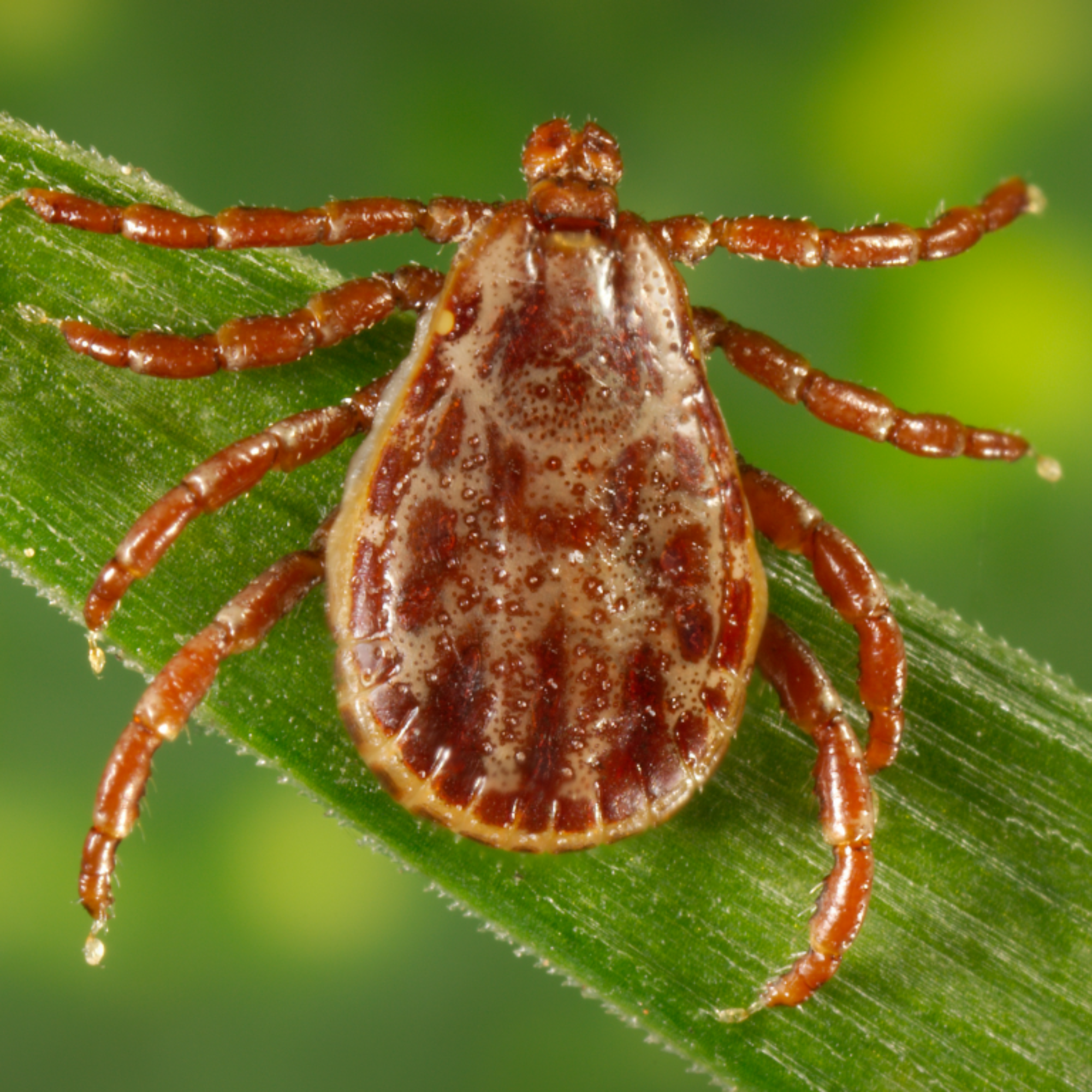
Transmits Colorado Tick Fever, Rocky Mountain Spotted Fever, Tularemia, Q Fever, and can even cause Tick Paralysis. Wyoming has the highest reported infection rates in the U.S., with studies showing up to 21% infected with Colorado Tick Fever Virus.
American Dog Tick (Dermacentor variabilis)
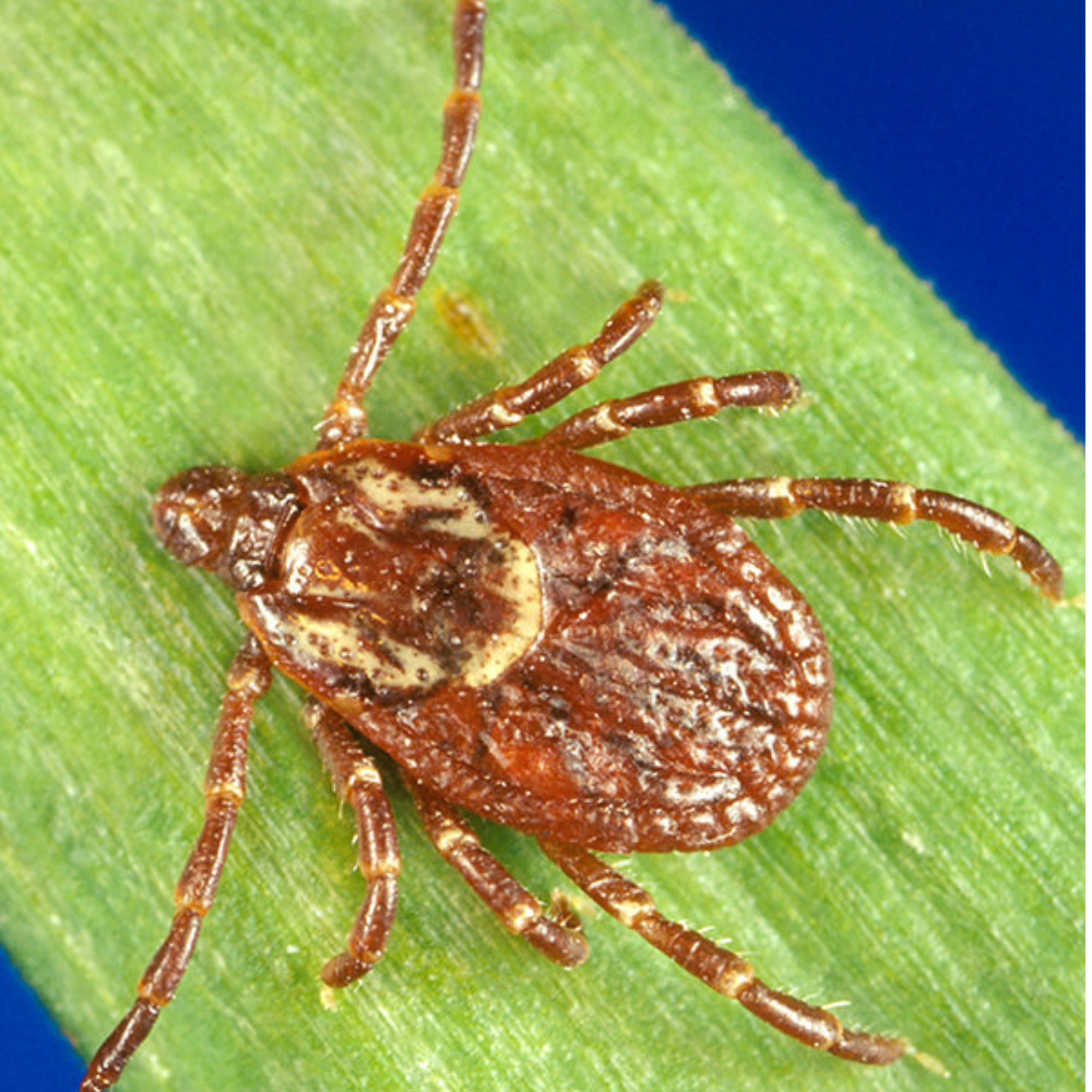
Can carry Tularemia, Q Fever, spotted fevers, and bovine anaplasmosis, and can cause tick paralysis. Its exact distribution in Wyoming is uncertain due to limited surveillance.
Brown Dog Tick (Rhipicephalus sanguineus)
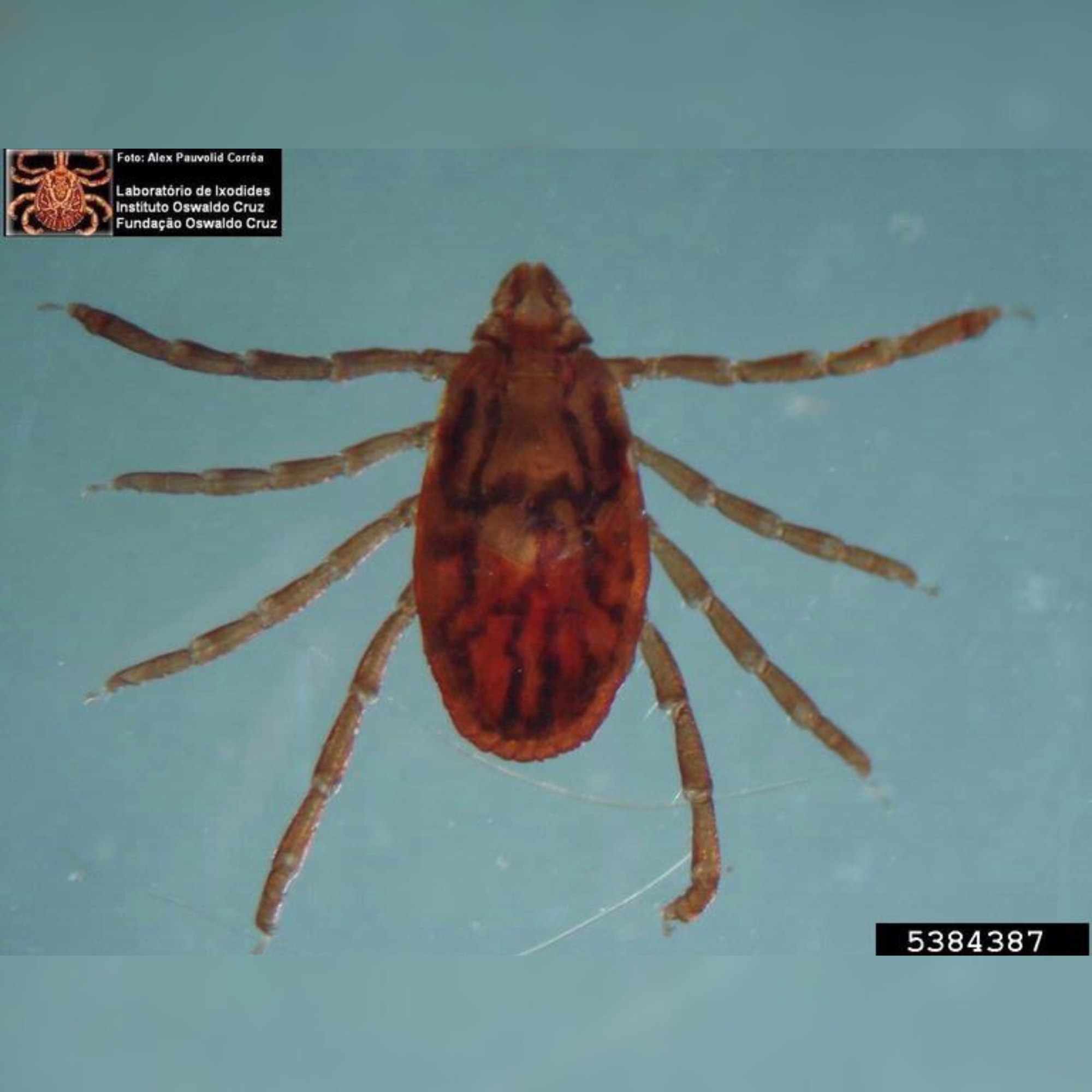
Known to transmit Rocky Mountain Spotted Fever.
Soft Tick (Ornithodoros spp.)
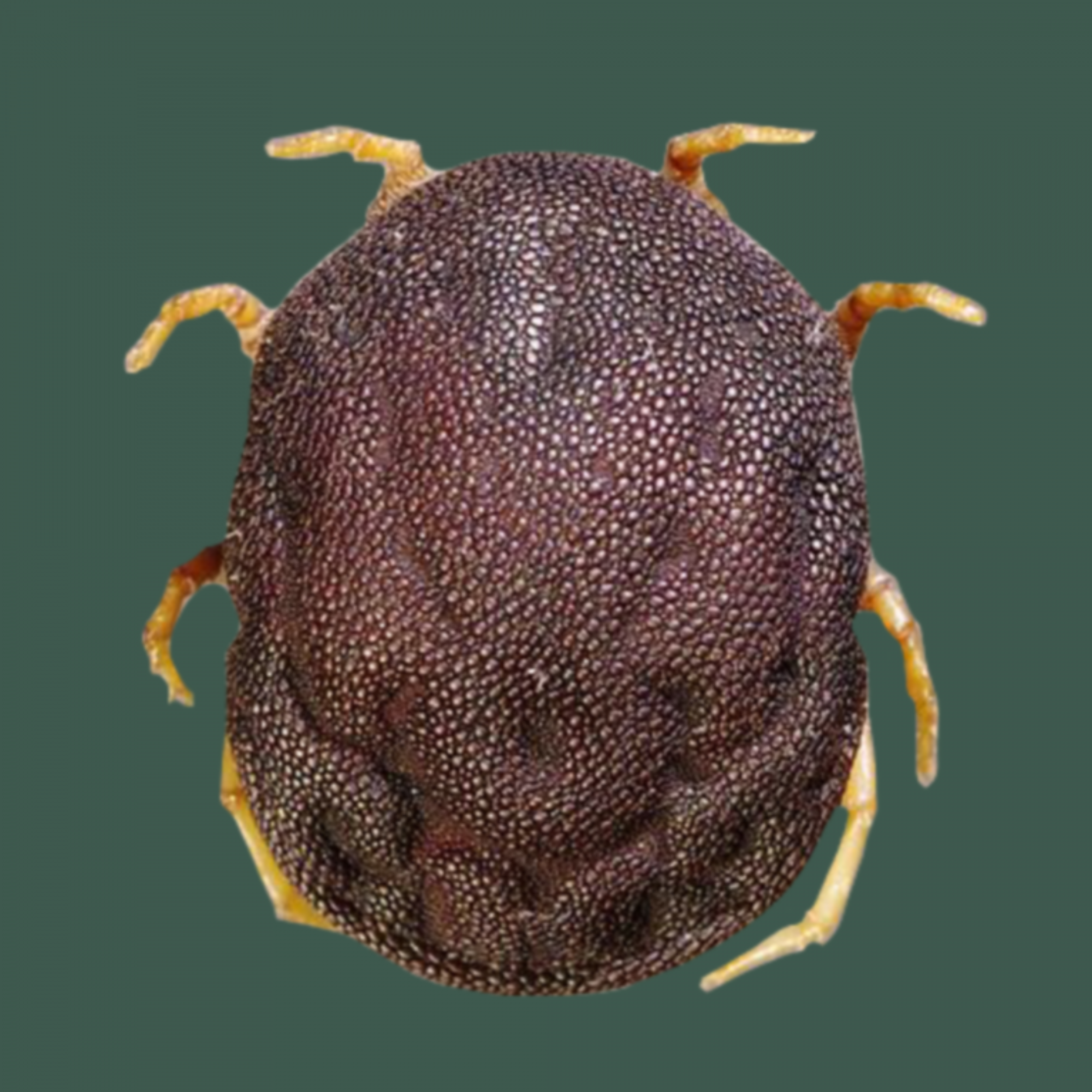
Causes Soft Tick Relapsing Fever.
Why Surveillance Matters
Across the U.S., tick-borne diseases are on the rise. Native and invasive ticks are expanding their ranges due to climate change, land use, and human activity. When ticks move into new areas, they can introduce new pathogens and increase disease risk. Wyoming historically lacked a tick surveillance program, so we don’t know how these trends affect our state—but the potential is real.
Our Tick Program Journey
2023 – Pilot Year:
- Conducted preliminary active and passive surveillance.
- Focused on learning standard collection methods and groundwork for statewide monitoring.
2024 – First Full Project Year:
- Active Surveillance: Staff, students, and citizen scientists collected ticks. Participation by volunteers was limited statewide.
- Passive Surveillance: Weed & Pest Districts, Mosquito Districts, and the public contributed ticks. This approach was far more successful than expected.
2025 – Second Full Project Year:
- Confirmed Range Expansion of the American Dog Tick: Over 400 samples collected leading to TCWP to inform the public a new tick of ‘medical significance’ has established in the State.
Early Insights
- Passive surveillance is a powerful tool for mapping tick presence across the state.
- The program is helping answer key questions, like where American Dog Ticks are established in Wyoming.
- The data we collected in year one informed improvements and encouraged broader participation in the future.
Wyoming’s tick program is just getting started, but every tick collected and studied helps protect the public and livestock while expanding our understanding of these tiny—but potentially dangerous—creatures.
2024: Early Surveillance Program Results and Pathogen Detection Insights
Pathogen testing has focused primarily on Colorado tick fever virus in Rocky Mountain wood ticks. Of the 896 eligible ticks collected in the first full project year, 615 were tested to date using qPCR, with 44 testing positive for CTFV. Positive ticks were detected in five counties. When infection rates were examined at individual collection sites rather than averaged across counties, infections appeared highly focal, with some sites showing substantial infection rates while surrounding areas had none. These findings highlight the importance of fine-scale surveillance for understanding disease risk.
Building for the Future
Looking ahead, our District will keep expanding both active and passive tick surveillance across Wyoming. We’ll continue to offer citizen scientist tick collection opportunities and broaden pathogen testing to cover more bacterial and viral threats. By building baseline data and spotting emerging risks early, our tick surveillance program will continue to support and guide public health decisions in raising awareness about the state’s tick populations and tick-borne disease risks.